
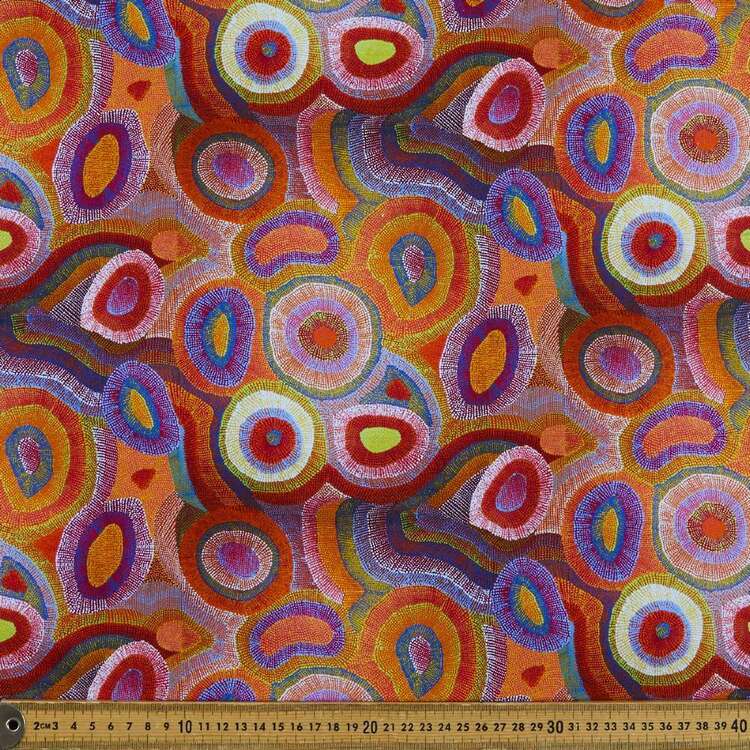
Warlukurlangu Agnes Nampijinpa Brown Ngapa Jukurrpa Printed 112 cm Cotton Drill Fabric
Original price was: $21.00.$10.99Current price is: $10.99.
The Warlukurlangu Agnes Nampijinpa Brown Ngapa Jukurrpa Printed 112 cm Cotton Drill Fabric is a wonderful choice if you want to add a significant cultural element to your next handmade garments. Cotton drill is a heavier weight twill weave fabric that can be used in both pants and jackets, yet it is still lightweight enough for casual dresses and uniforms – this drill can also be used for craft or home décor projects. This material is composed of 100% cotton, and supplied in a 112 cm width. Spotlight has a beautiful range of fabrics, manchester and home décor items featuring amazing artwork by the talented indigenous peoples creating with Warlukurlangu, Artists of Yuendumu. Find the perfect piece for your home, in-store or online. Ngapa Jukurrpa (Water Dreaming) – Puyurru “The site depicted in this painting is Puyurru, west of Yuendumu. In the usually dry creek beds are ‘mulju’ (soakages), or naturally occurring wells. The ‘kirda’ (owners) for this site are Nangala/Nampijinpa women and Jangala/Jampijinpa men. Two Jangala men, rainmakers, sang the rain, unleashing a giant storm. The storm travelled across the country from the east to the west, initially travelling with a ‘pamapardu Jukurrpa’ (termite Dreaming) from Warntungurru to Warlura, a waterhole 8 miles east of Yuendumu. At Warlura, a gecko called Yumariyumari blew the storm on to Lapurrukurra and Wilpiri. Bolts of lightning shot out at Wirnpa (also called Mardinymardinypa) and at Kanaralji. At this point the Dreaming track also includes the ‘kurdukurdu mangkurdu Jukurrpa’ (children of the clouds Dreaming). The water Dreaming built hills at Ngamangama using baby clouds and also stuck long pointy clouds into the ground at Jukajuka, where they can still be seen today as rock formations. The termite Dreaming eventually continued west to Nyirripi, a community approximately 160 km west of Yuendumu. The water Dreaming then travelled from the south over Mikanji, a watercourse with soakages northwest of Yuendumu. At Mikanji, the storm was picked up by a ‘kirrkarlanji’ (brown falcon [Falco berigora]) and taken farther north. At Puyurru, the falcon dug up a giant ‘warnayarra’ (rainbow serpent). The serpent carried water with it to create another large lake, Jillyiumpa, close to an outstation in this country. The ‘kirda’ (owners) of this story are Jangala men and Nangala women. After stopping at Puyurru, the water Dreaming travelled on through other locations including Yalyarilalku, Mikilyparnta, Katalpi, Lungkardajarra, Jirawarnpa, Kamira, Yurrunjuku, and Jikaya before moving on into Gurindji country to the north. In contemporary Warlpiri paintings, traditional iconography is used to represent the ‘Jukurrpa’ (Dreaming). Short dashes are often used to represent ‘mangkurdu’ (cumulus & stratocumulus clouds), and longer, flowing lines represent ‘ngawarra’ (flood waters). Small circles are used to depict ‘mulju’ (soakages) and river bed.” Artwork and words by Agnes Nampijinpa Brown
| color | |
|---|---|
| Size |
112 cm |
Related products
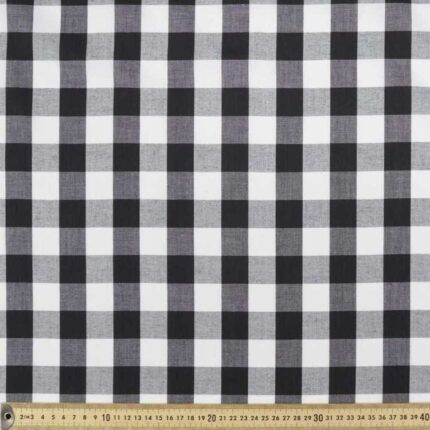
1 Inch Wide Gingham 148 cm Poly Cotton Fabric
Original price was: $12.00.$10.99Current price is: $10.99.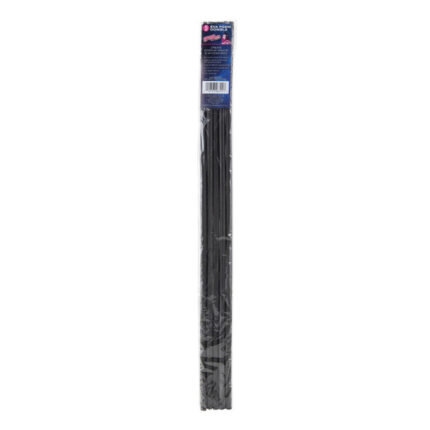

10 mm Thick 24 in Yaya Han EVA Dowels 5 Pack
Original price was: $12.00.$10.99Current price is: $10.99.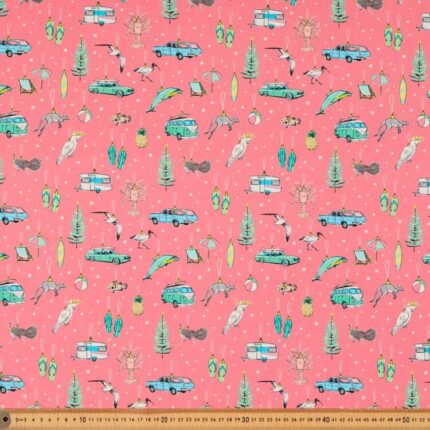
50s Vintage Dame Very Aussie Christmas Printed 112cm Quilting Fabric
Original price was: $25.00.$10.99Current price is: $10.99.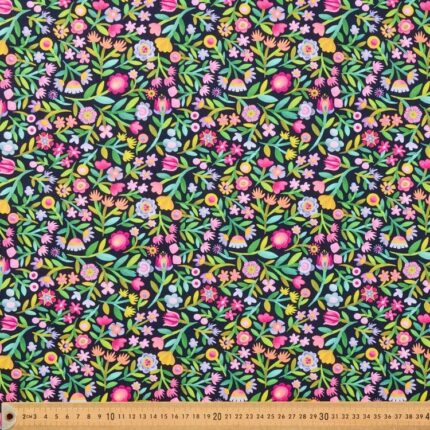
Adabelle 112cm Printed Poplin Fabric
Original price was: $19.00.$10.99Current price is: $10.99.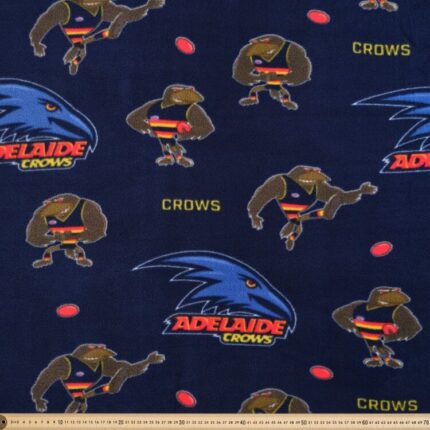
Adelaide Crows AFL 148 cm Polyester Fleece
Original price was: $25.00.$10.99Current price is: $10.99.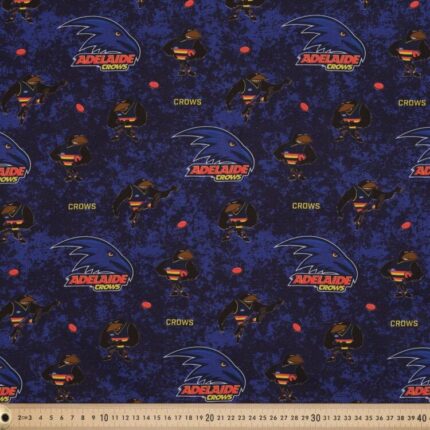
Adelaide Crows AFL Logo Printed 112 cm Homespun Cotton Fabric
Original price was: $25.00.$10.99Current price is: $10.99.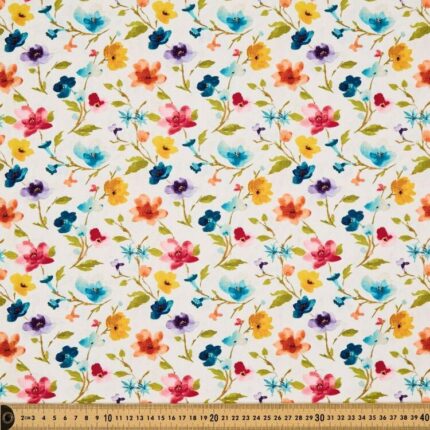
Amelia Floral Abundance 112cm Cotton Quilting Fabric
Original price was: $15.00.$10.99Current price is: $10.99.Anna Blatman Croc Skin Print Flat Fat Fabric
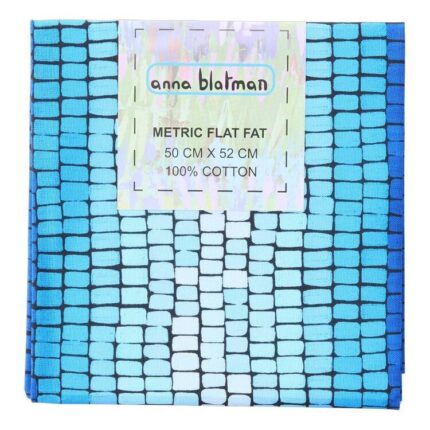 Blue
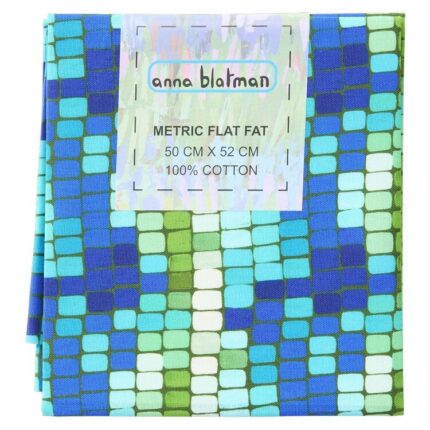 Blue & Green
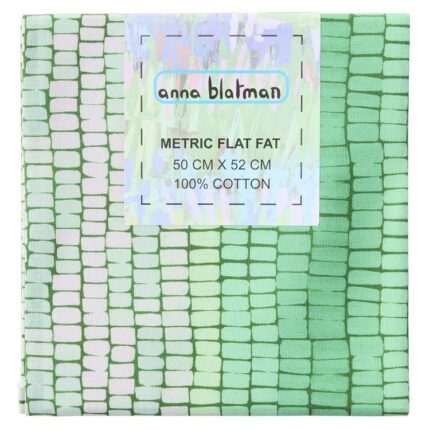 Green
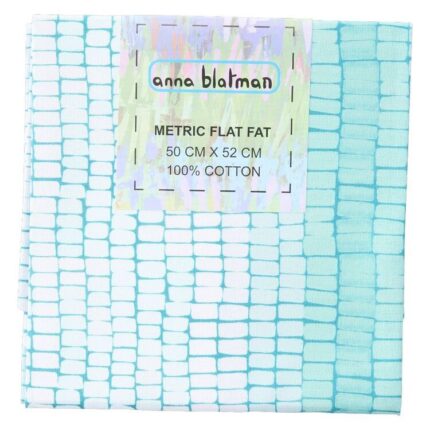 Ice Blue
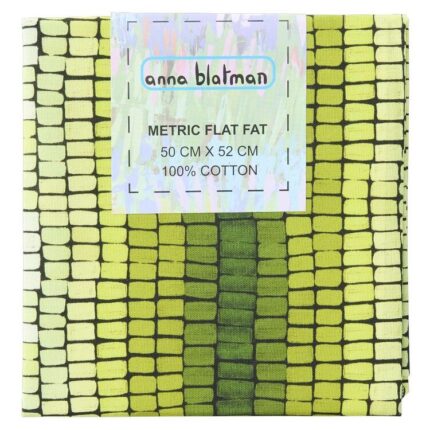 Lime
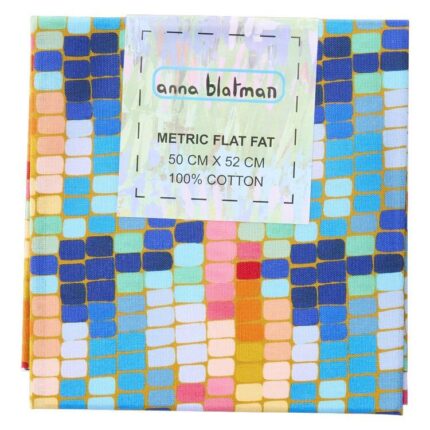 Multicoloured
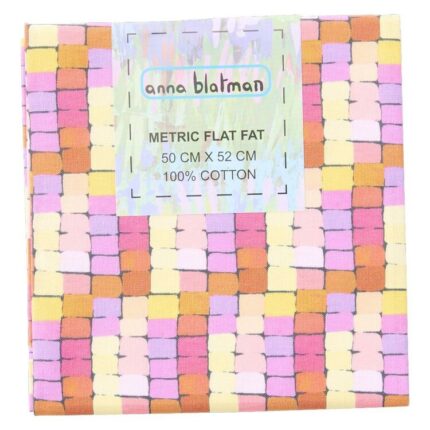 Pink
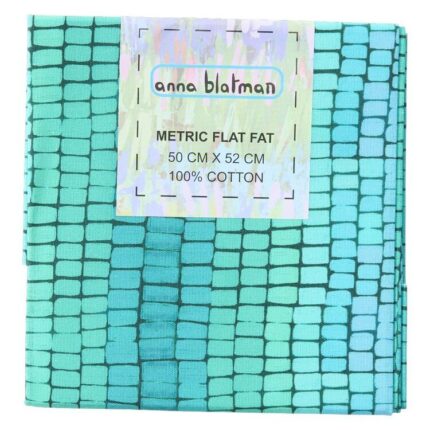 Turquoise